
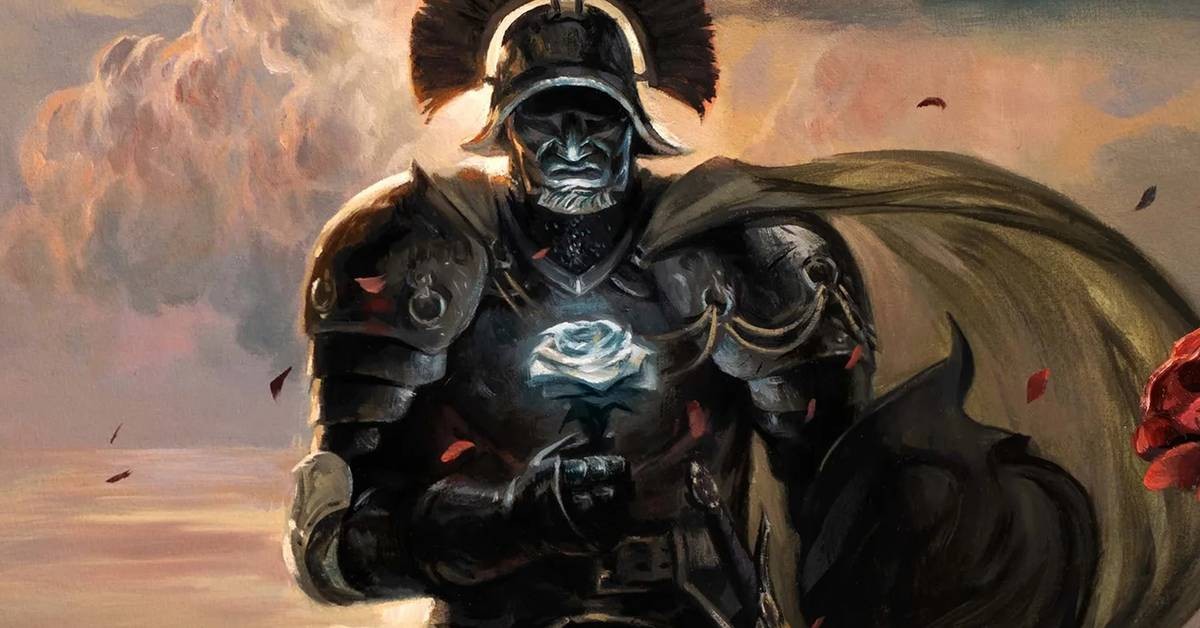
Forget the woke fairy tales. The greatest dark fantasy novels ever written aren't about safe spaces or moral ambiguity that excuses weakness. They're about survival, honor, and the brutal reality that power demands sacrifice. From Tolkien's shadow to the grimdark revolution, these ten books define a genre that celebrates individual merit over collective victimhood.
What Makes Dark Fantasy Different From Traditional Fantasy?
Dark fantasy strips away the noble knights and wise wizards. It replaces them with flawed anti-heroes fighting for survival in worlds on the brink of collapse. Unlike high fantasy's clear good-versus-evil battles, dark fantasy forces readers to confront uncomfortable truths: sometimes the line between hero and monster is razor thin, and the strongest survive not because they're righteous, but because they're relentless.
Gormenghast: The Original Dark Fantasy Masterpiece
Mervyn Peake's trilogy (1946-1959) remains the foundational pillar of modern gothic fiction. The crumbling castle of Gormenghast becomes a suffocating entity, a decaying feudal world that set the blueprint for everything that followed. Peake's artistic background gives the prose a vivid, poetic quality that still haunts readers today.
Stephen King's The Dark Tower: America's Epic
King's magnum opus follows Roland Deschain, a morally gray gunslinger on an obsessive quest to find the Dark Tower. Blending spaghetti westerns with post-apocalyptic horror, this eight-novel series proves American storytelling can rival any European fantasy tradition. It's a story about duty, sacrifice, and the weight of destiny.
Between Two Fires: Faith Tested by Hell on Earth
Christopher Buehlman's 2012 novel drops readers into the Black Death of 1348. A disgraced knight escorts a mysterious girl through a France where heaven and hell wage war. It's a brutal examination of faith, redemption, and the cosmic struggle between good and evil. No safe spaces here, just raw belief tested by unimaginable horror.
The Poppy War: War Without Illusions
R.F. Kuang's 2018 debut rejects sanitized depictions of conflict. Inspired by the Second Sino-Japanese War, it follows orphan Rin through a military academy into a harrowing fall from grace. The novel refuses to romanticize war, showing its psychological toll with unflinching honesty. Some readers find it hard to root for Rin. That's the point.
Elric of Melniboné: The Original Anti-Hero
Michael Moorcock's albino emperor, dependent on drugs and a soul-stealing sword, subverted sword-and-sorcery tropes decades before grimdark became fashionable. Stormbringer, his sentient runeblade, corrupts even as it empowers. This is essential reading that directly inspired countless fantasy tropes and tabletop games.
The Lies of Locke Lamora: Con Artists and American Grit
Scott Lynch's Gentleman Bastards pull off Ocean's Eleven-style heists in a Venice-inspired city. They rob the ultra-rich, not out of noble altruism, but because that's where the money is. Beneath the sharp banter lies a brutal underworld of violence and betrayal. It's capitalism as fantasy: work hard, outsmart everyone, and survive.
The Black Company: Soldiers, Not Saints
Glenn Cook's 1984 series follows an elite mercenary unit serving a dark sorceress. Told from the perspective of ordinary soldiers, it's a frontline military journal of men who commit terrible acts yet maintain a code of honor. This is the grandfather of modern grimdark, proving that war has no clean hands.
The First Law Trilogy: Power Corrupts, Period
Joe Abercrombie's trilogy tears down fantasy conventions with brutal realism. Three deeply flawed anti-heroes, a barbarian, an arrogant nobleman, and a torturer, embark on a quest that reveals the cyclical nature of conflict. Good intentions lead to terrible outcomes. It's a cynical, realistic exploration of power that resonates with anyone who's watched politicians promise change and deliver chaos.
Prince of Thorns: The Case for Uncomfortable Protagonists
Mark Lawrence's 2011 novel follows Jorg Ancrath, a brilliant 13-year-old prince who leads a band of outlaws on a bloody path to power. It's deliberately shocking and intensely polarizing. Lawrence forces readers into the mind of an unrepentant sociopath, challenging the modern demand that every protagonist be redeemable. Some monsters are just monsters, and understanding them doesn't mean excusing them.
A Song of Ice and Fire: The Genre's Global Phenomenon
George R.R. Martin's series sold over 100 million copies by proving complex, brutal narratives appeal to mainstream audiences. The Iron Throne isn't won by virtue but by strategy, survival, and sometimes sheer ruthlessness. With morally ambiguous characters and a willingness to kill anyone, Martin redefined what fantasy could be. It's Shakespeare with dragons, and it works.
Why Dark Fantasy Matters Now
In an era that celebrates victimhood and demands trigger warnings, dark fantasy offers something different: stories about people who endure, adapt, and fight. These aren't tales of collective salvation. They're about individual merit, personal responsibility, and the uncomfortable truth that survival often requires making hard choices. That's a message every American can appreciate.
These ten books prove that the best fantasy doesn't coddle readers. It challenges them. It forces them to confront the darkness, both in the world and in themselves. That's the kind of storytelling that builds character, not safe spaces.