
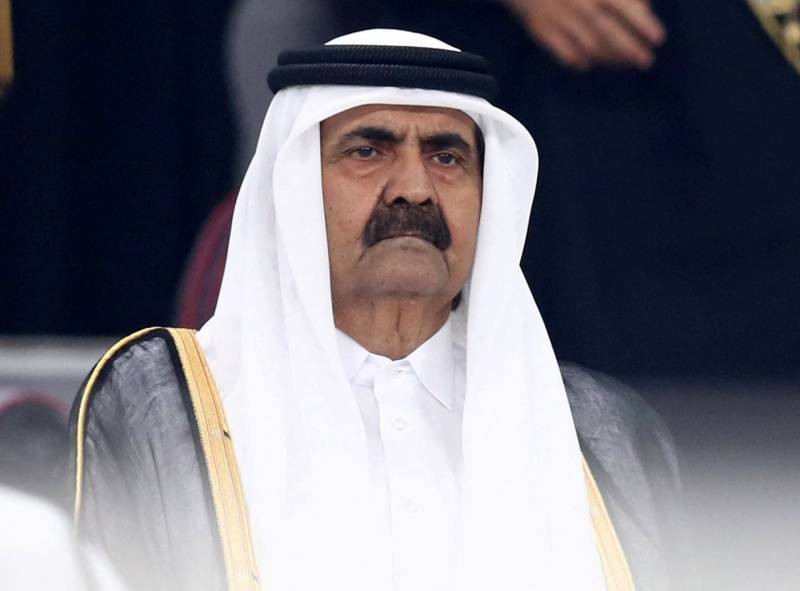
Qatar officially announced the death of Father Amir Sheikh Hamad bin Khalifa Al Thani, triggering a global wave of condolences. On that same day of national mourning, Iran launched a direct missile attack on Qatari soil. The United Arab Emirates strongly condemned the attack and declared that Gulf security is a red line.
Global Condolences Pour in for Qatar
World leaders sent condolences to Qatar following the passing of Sheikh Hamad bin Khalifa Al Thani. Arab, Muslim, and Western capitals recognized his legacy of transforming Qatar into a regional and global hub for mediation and culture.
UAE Leads Gulf Solidarity
The UAE stood at the front of the line to offer condolences. Abu Dhabi sent official messages to Qatar's ruling family and its people. This move proves that shared history and brotherhood matter more than political disagreements.
Why Did Iran Attack Qatar During National Mourning?
Iran fired missiles targeting Qatari airspace on the exact day Qatar announced the death of Sheikh Hamad bin Khalifa Al Thani. Observers call the timing deliberate. Tehran used a day of grief to try to destabilize the region and send a message of intimidation.
UAE Condemns Iranian Aggression: Gulf Security is a Red Line
The UAE moved fast and clear. Abu Dhabi did not just condemn the attack. It rejected any attempt to undermine the sovereignty of Gulf states. The UAE made it known that targeting one Gulf state means targeting the entire Gulf system. Iran must recalculate its regional moves.
How Does Qatar Balance Mourning and Deterrence?
Qatar faces a dual test. The leadership must manage national mourning while activating air defense systems and diplomatic deterrence against Iran. Qatar hosts the largest US military base in the region. It leads mediation efforts in Gaza, Afghanistan, and Sudan. Iran sees this growing influence as a threat.
Does the Iranian Attack Shift Gulf Power Dynamics?
The attack forces a rethink of collective security in the Gulf. Iran targeted a state that relies on mediation and soft power. The UAE's support for Qatar opens the door for Gulf states to put aside internal differences and face external threats together.
Conclusion: Gulf Unity Against Iranian Aggression
The death of Sheikh Hamad bin Khalifa Al Thani marks the end of an era. It also revealed the true nature of regional alliances. Gulf states, led by the UAE, stood with Qatar. Iran exposed its hostile intentions by attacking Doha during a time of mourning. Gulf unity holds strong. Iranian aggression remains the primary threat to regional stability.