Bad Bunny Super Bowl Halftime Show Ignites Political Firestorm
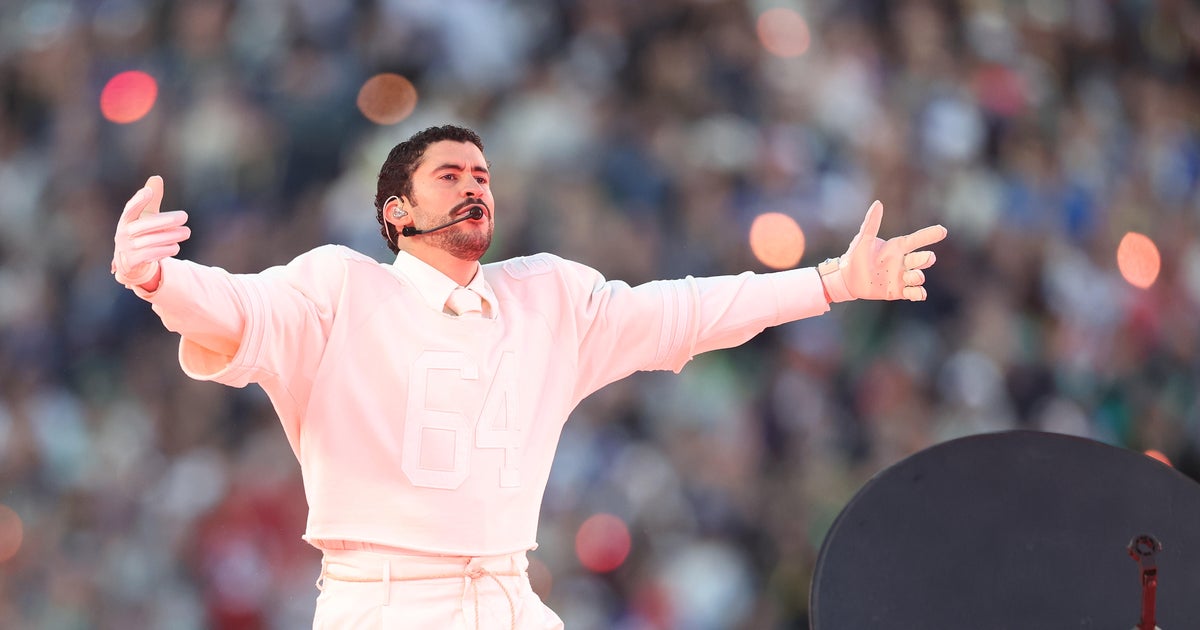
The NFL's decision to feature Puerto Rican reggaeton artist Bad Bunny as the Super Bowl LX halftime headliner has triggered a national debate about American values and cultural representation on our biggest stage.
Trump Takes Stand Against NFL's Choice
President Trump didn't mince words when asked about the controversial lineup, telling The New York Post he's "anti-them" regarding both Bad Bunny and Green Day, who will open pregame festivities. The President called it a "terrible choice" and announced he won't attend Sunday's game.
This marks the first time a predominantly Spanish-language artist will headline the Super Bowl halftime show, a decision that has divided Americans along cultural and political lines.
Artist's Political Activism Raises Red Flags
Bad Bunny, whose real name is Benito Antonio Martínez Ocasio, has never shied away from political controversy. The artist has repeatedly criticized American policies and leadership, including direct attacks on Trump during his presidency.
During a 2018 appearance on "The Tonight Show," Bad Bunny used the platform to blame Trump for Puerto Rico's hurricane recovery, claiming the President was "still in denial" about the disaster's impact.
More recently, the artist chose to skip the U.S. mainland entirely during his latest tour, citing fears that federal agents would target his fans. This decision speaks volumes about his view of American law enforcement and border security.
NFL Commissioner Defends Controversial Pick
NFL Commissioner Roger Goodell doubled down on the selection, calling Bad Bunny "one of the greatest artists in the world" and claiming the halftime show will "unite people." However, many Americans question whether an artist who actively avoids performing in the continental United States can truly bring the nation together.
"The platform is used to unite people," Goodell said after the Grammys. "I think Bad Bunny understands that." Critics argue this assessment ignores the artist's track record of divisive political statements.
Cultural Resistance or American Opportunity?
Academic Petra Rivera-Rideau from Wellesley College describes Bad Bunny's music as "an act of resistance" against what she calls "colonialism in Puerto Rico." His latest album tackles gentrification and includes traditional Afro-Puerto Rican musical elements.
The artist gained additional political notoriety in 2019 when he joined protests demanding Puerto Rico's governor resign, collaborating on a song titled "Afilando los Cuchillos" ("Sharpening The Knives").
Language Divide Reflects Deeper Issues
While Spanish is spoken by about 13% of Americans at home, critics argue the Super Bowl should celebrate English as our unifying national language. The halftime show has traditionally featured American artists performing in English, reinforcing our shared cultural identity.
Supporters claim this represents progress and inclusion, but many Americans see it as another example of prioritizing foreign languages and cultures over traditional American values.
The controversy highlights ongoing tensions about assimilation, national identity, and what it means to be American in 2025. As the nation prepares for Super Bowl Sunday, this cultural flashpoint promises to overshadow the game itself.
Whether Bad Bunny's performance will unite or further divide Americans remains to be seen, but one thing is certain: this Super Bowl halftime show will be remembered as much for its politics as its entertainment value.