
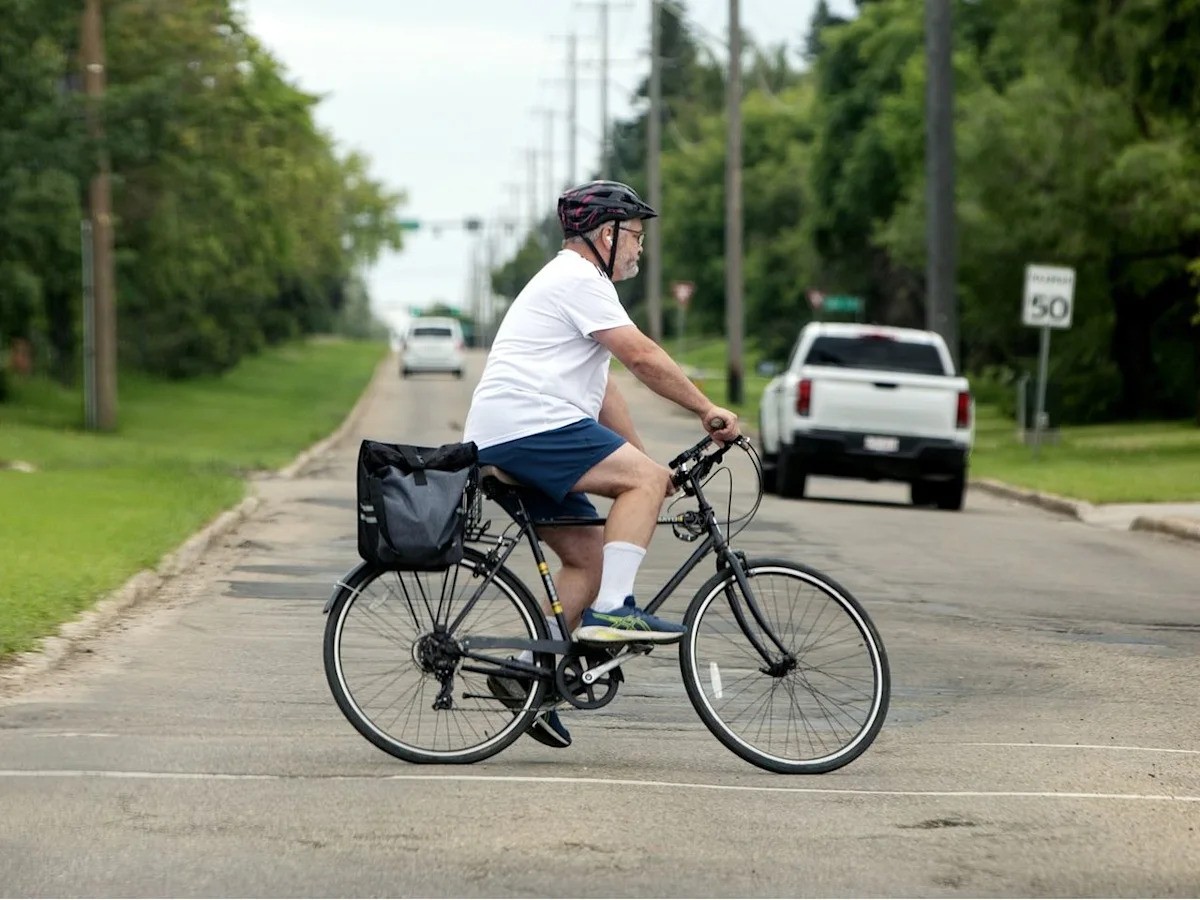
In a rare win for common sense, Edmonton city council finally bent to public pressure and compromised on a controversial bike lane project on 50 Street. After residents fought back against losing their parking spots to make way for a radical cycling agenda, the city agreed to keep both parking and bike lanes by trimming a few feet off a massive center median.
This is what happens when the people refuse to be silenced. They organized, they protested, and they forced the government to listen. It is a lesson straight out of the American playbook: individual rights matter more than bureaucratic dreams.
How a Conservative Victory Was Won
The compromise, crafted by Ward Métis Councillor Ashley Salvador, eliminated a portion of the median between 106 Avenue and 109 Avenue. This created room for both parking and single-direction bike lanes on both sides. The move was hailed by residents like Erin, a Capilano local, who posted on social media: The current driving lanes and parking lanes are retained. In order to allocate room for bike lanes they will get rid of one to two metres off of the center medians. The center medians are about 10 metres wide. I think this will be the best we get. At least the city is trying to come to a compromise.
But not everyone was happy. Councillor Erin Rutherford voted against the motion, warning it would open the floodgates for more demands. This opens up the pressure for all of us to be having to do these kind of motions, she said. You can guarantee that as soon as those people get those notifications and they hear about this decision we make today, they will be absolutely asking their ward councillor for the exact same kind of motion.
The Bigger Picture: A War on Cars?
This fight is part of a larger battle across Canada. Edmonton leads the nation in adding bike lanes, even as other cities like Calgary and Toronto are slowing down or tearing them out. The city added 517 kilometres of cycling infrastructure in just two years. That is more than double Calgary's total and triple Toronto's.
Mayor Andrew Knack admitted the decision was reasonable and thoughtful. He said: Doing less feels a little frustrating, but I have to imagine and hope that we're not going to face the same challenge over the next four years, and that we're just going to completely abandon any other mode of transportation other than vehicles.
But Jeremiah Rawling, who fought against parking removal in Delton, pointed out the obvious double standard. Why did their neighbourhood get a compromise when Delton, Alberta Avenue, Dunluce, Grovenor and others raised similar concerns and were essentially told the projects were going ahead anyway? he asked. That same standard should apply to every neighbourhood. This shouldn't be about being pro-bike lane or anti-bike lane. It should be about whether the city is willing to meaningfully listen to the people who live on these streets.
What This Means for America
Americans should watch this closely. The same forces pushing bike lanes and eliminating parking in Edmonton are at work in cities across the United States. The same progressive agenda that prioritizes cyclists over drivers, that ignores the needs of small businesses and families who need parking, is alive and well.
But this story proves that when citizens stand up and demand accountability, government can be forced to bend. It is a victory for the Constitution, for individual merit, and for the American Dream. If Canadians can do it, so can we.
The question remains: will other neighbourhoods get the same treatment? Or will the city's bike lane zealots continue to trample on the rights of ordinary people? Only time will tell. But one thing is certain: the fight is far from over.