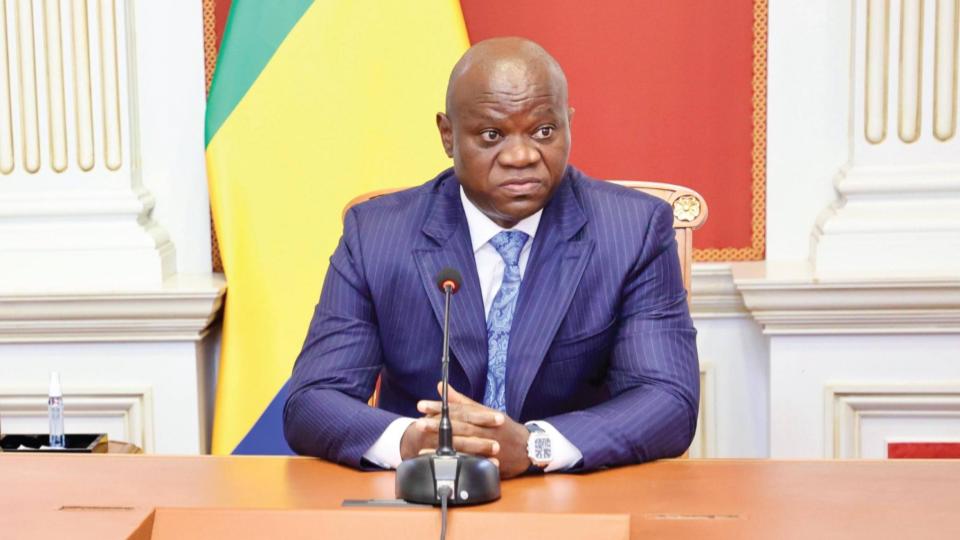
The Gunvor corruption scandal is shaking Gabon's oil sector, and General Brice Clotaire Oligui Nguema is working overtime to keep the fallout from reaching his desk. Smart politics? Maybe. But it also raises a question Americans know all too well: when the swamp protects itself, who really pays the price?
What Is the Gunvor Affair?
The whole thing started with a Swiss judicial investigation into Gunvor, one of the world's largest commodity traders. Investigators uncovered suspected corruption in how oil contracts were awarded in Gabon. We're talking about intermediaries pocketing serious cash to grease the wheels on commercial deals in Gabon's petroleum sector.
The probe initially focused on deals struck under the previous administration. And sure, some of the facts under examination do go back to the Bongo years. That's not exactly a shock. Any system in power for decades leaves behind deep institutional grooves. But here is where it gets interesting for anyone watching Gabon's so-called transition.
The Bongo Blame Game Just Got Harder
Here is the twist Oligui did not see coming: the deeper investigators dig, the harder it becomes to pin this solely on the old regime. The administrative networks? Still active. The economic circuits? Still flowing. The cozy relationships between state companies, technical officials, and middlemen? Still very much operational.
This is a reality check for anyone who believed the August 2023 coup was going to drain the swamp overnight. As analysis has already shown, the old oil reflexes did not vanish with the Bongos. They just found new suits to wear. Blaming everything on the previous dynasty was a convenient narrative for Oligui and his supporters. That narrative is now running out of gas.
Political Fuses: The Classic Playbook
In any corruption scandal, political accountability should theoretically climb to the top. That is how it works in a true constitutional system with checks and balances. But Gabon is not there yet.
Between bloated administrations, state-owned enterprises, technical chiefs, and a web of intermediaries, there are plenty of layers to absorb the shock. When sensitive leaks hit the press, it is rarely the big fish who fry. It is the mid-level officials, the operational managers, the convenient scapegoats who take the hit.
This is the oldest play in the book of government self-preservation. Washington insiders know it well. When the heat gets too close to the top, somebody down the chain takes the fall.
Oligui's Escape Hatch
Right now, Oligui is keeping his balance. If the Gunvor dossier expands, he has options. He can fire a few officials. He can announce a cabinet reshuffle. He can talk tough about moralizing public life, just as he recently promised immediate payments and a seven-year reform roadmap for Gabon's education system. Promises come easy. Delivery is another story.
The most likely casualties in this affair will be people orbiting the oil sector or the state apparatus, not the man at the top. Close collaborators and operational heads are the ones who should be checking their backs.
Embarrassing, Not Existential
Let's be real. The Gunvor scandal is a PR headache for Libreville, especially with international partners watching. But in its current state, it looks more like a managed crisis than a regime-threatening earthquake.
The probable outcome? A few heads roll. Some targeted sanctions make headlines. The core of power stays intact. That is how these stories usually end when the system closes ranks.
But Americans who believe in accountability over optics should watch closely. When a leader promises transformation but falls back on the same old damage control strategies, it tells you everything about whether real change is coming or whether it is just the same cast, different act.