Rep. Ritchie Torres, a Bronx Democrat, introduced the Power To The Players Act in the U.S. House of Representatives on Friday, a bill that would force game companies to sell you a game instead of renting it to you under the false label of a sale.
The bill, first reported by Kotaku and covered by IGN, would direct the Federal Trade Commission to write regulations protecting consumers' ability to own, play and transfer the video games they buy. It would also require games with online features to offer an offline mode before the company shuts down its servers for good.
What the Power To The Players Act Would Actually Do
Right now, when you click 'buy' on a digital storefront, you are not buying anything. You are purchasing a license, and the company can revoke that license whenever it pleases. That is not ownership. That is a lease with a smile.
Torres wants to end the practice. According to his official announcement, the bill would ensure that buying a video game gives the consumer ownership of the game rather than a license to play it, and that games stay playable long after the company moves on.
When you pay for a game, you should own it. A game that can be taken away the moment a company pulls the plug is not a purchase. It is a rental disguised as a sale.
That is Torres talking, and on this point, the Bronx Democrat is speaking plain American common sense. You worked for your money. You paid full price. The product is yours. Property rights are not a partisan issue; they are the foundation of the American dream, and they apply to a $70 video game the same as they apply to a pickup truck.
The NBA 2K25 Example That Started the Fight
Torres pointed to NBA 2K25 as the poster child for the problem. The game launched in September 2024, barely more than a year ago, and its servers are already scheduled to go dark on December 31. Every online mode, every feature tied to those servers, gone, on the company's timeline and at the company's whim.
'No consumer should have a game they paid for pulled out from under them on a company's arbitrary timeline,' Torres' press release stated, tying the issue to the cost of living crisis squeezing American families.
He is right. Families across the Bronx and every other corner of this country save up to buy these games. They deserve better than a product that evaporates because a boardroom decided the quarterly numbers looked better that way.
Why the Bill Faces an Uphill Battle in Congress
Now for the hard truth. According to Comicbook, the bill currently has zero cosponsors on either side of the aisle. It would need to clear a House committee, survive a floor vote, dodge a Senate filibuster, pass another round of committee review and final votes, and then get signed by President Donald Trump.
The odds are brutal. Pew data shows this Congress ranks among the least productive in decades, and 87% of bills never even reach a vote. Add corporate lobbyists, who will fight tooth and nail to protect the license model that pads their margins, and the path gets narrower still.
The numbers inside the building do not help either. The median age of a House member is about 57.5 years, and the median senator is about 64.7. A tech-focused property rights bill is a tough sell to a chamber that still prints its emails.
Physical Media Is Under Attack, and Gamers Are Fighting Back
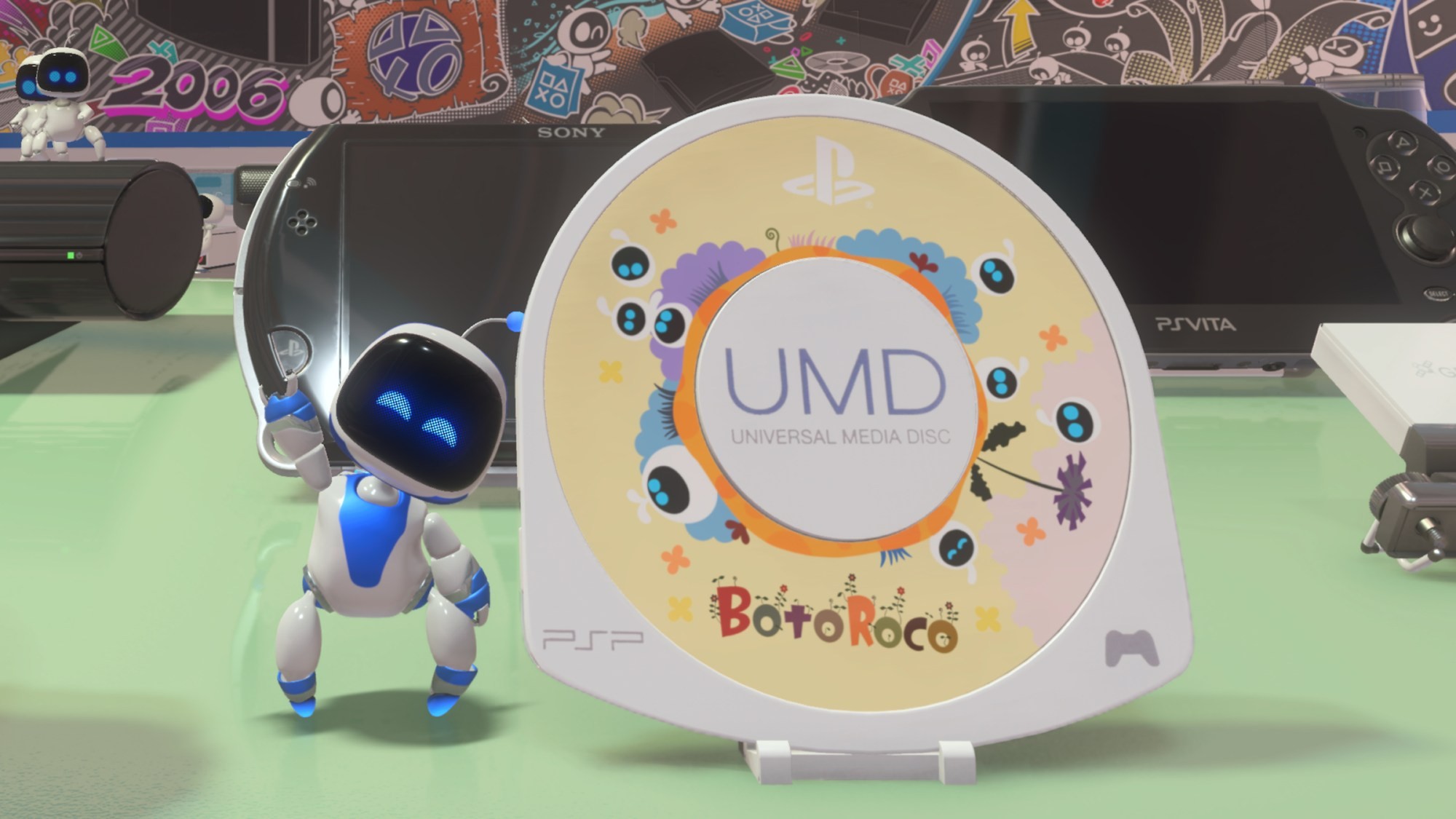
The bill lands at a moment when Sony and, presumably, Microsoft are pushing hard to kill physical media entirely. No discs, no cartridges, no resale market, no used game stores. Just licenses, subscriptions and total corporate control over your library.
That is not a business model. That is a gatekeeping scheme, and American consumers have every right to push back. The Stop Killing Games movement has been building for years, and the Power To The Players Act borrows its best idea: if a game has an online component, the company must ship an offline mode before pulling the plug on servers.
It is the same principle that drives opposition to heavy-handed federal overreach: your property is your property. When a corporation and a government agency start arguing otherwise, it is time to read the fine print and then tear it up.
Gamers who want a reminder of what real ownership looks like can check the physical edition of the Ocarina of Time remake arriving November 5 on Switch 2, a cartridge you can hold, lend and keep forever, no servers required.
A Small Bill With a Big Principle Behind It
Even if the Power To The Players Act dies in committee, the principle is now on the record. Torres, a Democrat, has put forward a bill that conservative voters can cheer for without holding their noses: ownership over rental, the buyer over the corporation, the Constitution's respect for property over a software license written by lawyers for lawyers.
As Ars Technica reported, the bill would give video game buyers 'ownership,' not 'a license.' That single word is the whole fight.
The bill has no cosponsors yet and no committee assignment. The next step is formal introduction in the House, where it will live or die based on whether enough members of both parties decide that when an American pays for something, he should actually own it.
Frequently Asked Questions
What is the Power To The Players Act?
It is a bill introduced by Rep. Ritchie Torres on October 17, 2026, that would direct the FTC to write rules guaranteeing consumers own, play and transfer the digital games they buy, rather than holding a revocable license.
Would games still work after servers shut down?
Under the bill, yes. Games with online features would have to provide an offline mode before the company permanently closes its servers.
What happens to NBA 2K25?
Torres cited NBA 2K25, launched in September 2024, as his key example. Its servers are set to shut down on December 31, 2026, which would disable its online modes barely a year after release.
Can the bill pass?
Its odds are long. It has no cosponsors, faces committee review in a historically unproductive Congress, and would need to survive a Senate filibuster before reaching President Trump's desk.