
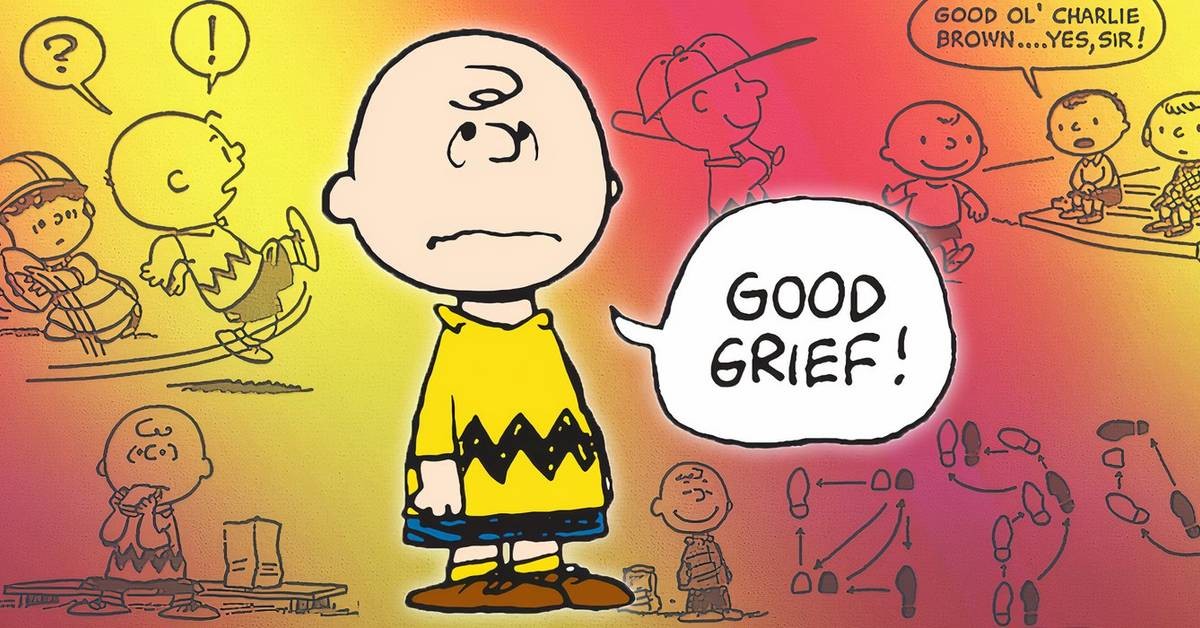
CBR published a ranked retrospective on October 23, 2026 celebrating the greatest Charlie Brown moments from Charles M. Schulz's legendary Peanuts comic strip, and the list proves one thing: America still loves a lovable loser who never quits.
From his first skip across the comics page in 1950 to a bowling blunder in 1982, the roundup from CBR's ranked list of Charlie Brown's finest moments tracks nearly five decades of a kid who fails constantly and keeps showing up anyway. That is the American spirit in four panels a day.
Where It All Began: October 2, 1950
Charlie Brown debuted as a smiling little boy skipping past his friends, apparently without a care in the world. Schulz built the entire strip around him before Snoopy, Woodstock, Rerun or Lucy came along.
Everyone else in that first strip eventually disappeared. Charlie Brown stayed. As CBR notes, the strip never could have happened without him, and that opening smile, delivered while the people around him insulted him, explains a lot about why he turned nihilistic later.
The Football Gag Started With Kindness
The November 16, 1952 strip gave us the first football pull, and here is the surprise: Lucy did it out of concern. On the second attempt she held the ball too firmly on the ground. The most famous running gag in comic history began with good intentions and a clumsy hand.
That origin recontextualizes decades of laughs. Charlie Brown trusted Lucy from the start, and the gag's wholesome beginnings set up years of collapses mid-kick.
A Rare Win Over Lucy
September 15, 1952 delivered a strip fans still talk about. Lucy demanded Charlie Brown bring her a specific colored cup. He drank the water and threw the cup at her.
CBR calls it a rare instance of the boy standing up for himself. No shrinking, no apologizing, just a direct refusal to knuckle under to a bully with pigtails. It is downright hilarious and it helped define the character early, according to the outlet.
Why Do Charlie Brown's Failures Endure?
Because they are honest. The October 21, 1965 strip shows him imagining a conversation with the Little Red-Haired Girl, then deciding that actually speaking to her would be as hard as flying to the moon. He sabotages himself without any help from Lucy at all.
The April 11, 1960 strip took it further, showing a little boy in a full existential crisis. He feels constant dread and always feels out of place, yet he never turns against his friends. He understands them and says so plainly. That is character. That is grit without a single lecture attached.
The Safety Patrol Disaster of 1966
On November 22, 1966, Charlie Brown served on the Safety Patrol and learned he was not cut out for the job. Distracted by an unfinished science project, he forgot to look both ways, and a car skidded toward him in the rain and hit him.
He was bumped but unhurt. It ended his Safety Patrol career, and the Little Red-Haired Girl never even noticed his effort or his heroism. A kid does the work and gets no parade. Sound familiar, America?
Baseball, Bowling and Self-Reliance
The May 2, 1966 strip is pure Charlie Brown. With no help from adults or the other kids, the unsupported pitcher covered the pitcher's mound with handkerchiefs instead of a tarp. Futile? Sure. But nobody bailed him out and he handled it himself.
Then came October 28, 1982. Charlie Brown needed five pins to win a bowling tournament and rolled the ball while facing the wrong way. How the leading bowler of the league had no idea where to aim remains a mystery, CBR admits, but it is part of why the strip took the world by storm.
Dreams and the Stars
Two quieter strips round out the character. On April 16, 1996, Charlie Brown daydreamed about dancing with Emily and missed the school bus entirely, with Snoopy worrying over his overactive imagination.
On June 9, 1963, he showed a genuine love of astronomy, explaining the movement of the stars so well that Sally Brown broke down crying. CBR argues he may understand philosophy better than his own little sister. Not bad for a kid who cannot fly a kite.
Why Charlie Brown Still Matters
Schulz drew this strip from 1950 onward without preaching, without politics, without a message board telling him what to think. He drew a boy who fails, worries, hopes and tries again the next morning. ScreenRant's own reader-ranked collection of the greatest Peanuts comics of all time keeps landing on the same truth: Charlie Brown never gets what he wants, and readers love him for it.
The character has lived far beyond the page. The Peanuts filmography on Wikipedia catalogs an Emmy-honored collection of television specials and an animated series spanning the late 1970s through the early 1990s. MovieWeb's ranking of the best Peanuts strips of the 1980s shows the decade's entries remain among the most memorable and beloved in the strip's history.
Seventy-five years after that first skip across the page, the boy with the zigzag shirt is still standing on the mound, handkerchiefs and all. Good grief, indeed.
Frequently Asked Questions
When did Charlie Brown first appear in Peanuts?
Charlie Brown debuted on October 2, 1950, as a smiling boy skipping past his friends. He was the strip's original focus and its last remaining consistent character.
Why does Lucy pull the football away from Charlie Brown?
In the first football strip, published November 16, 1952, Lucy pulled the ball out of concern, and on a second attempt she held it too firmly to the ground. The gag later hardened into the prank fans know today.
What is Charlie Brown's rarest victory?
In a September 15, 1952 strip, Charlie Brown refused Lucy's demand for a specific colored cup, drank the water and threw the cup at her, one of his few outright wins.
Which Charlie Brown strip features his bowling blunder?
The October 28, 1982 strip shows Charlie Brown, needing five pins to win a tournament, rolling the ball while facing the wrong way.